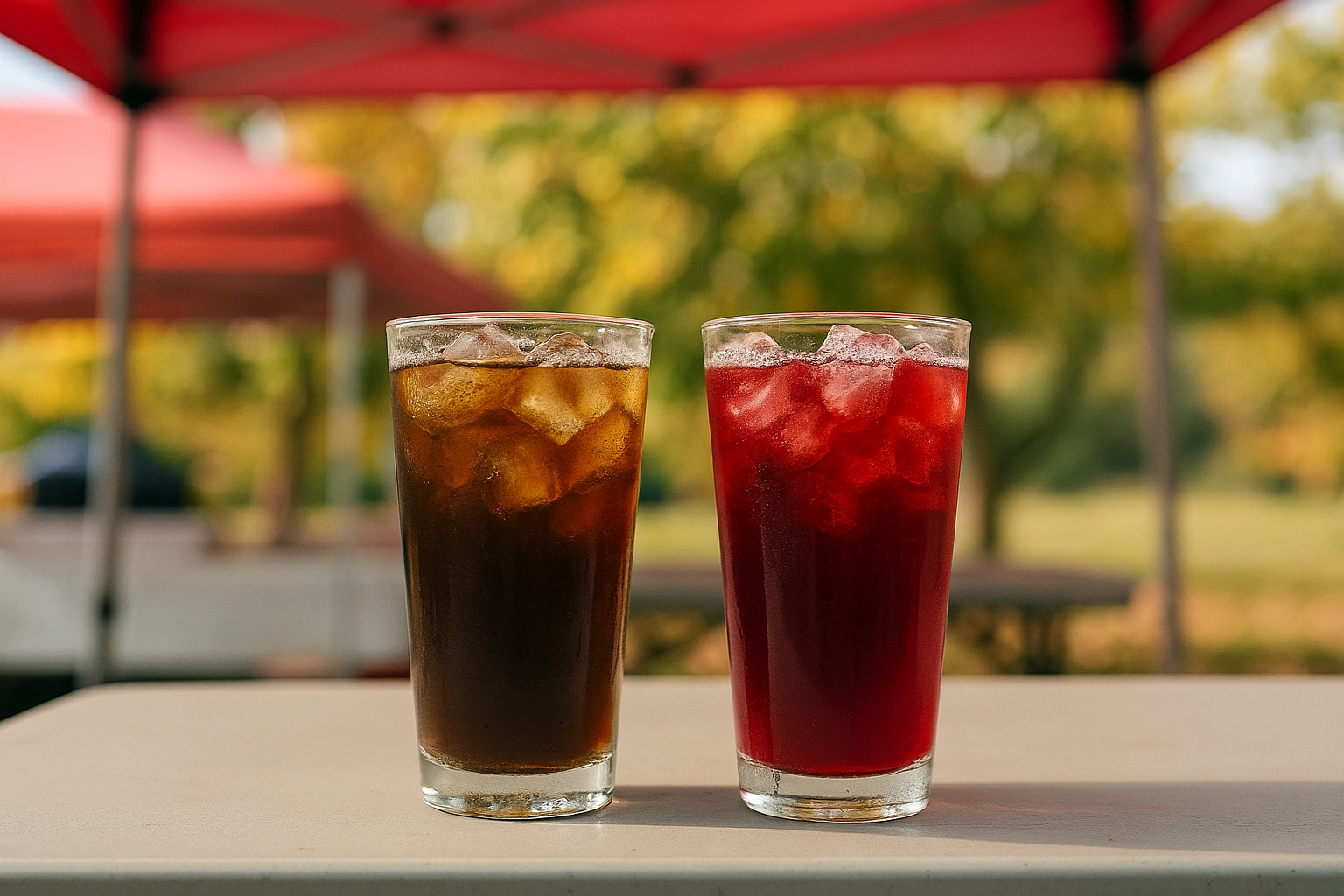
The short version: they aren't the same plant
Most people never get told this. Black tea and herbal tea are not two flavors of the same drink. They come from completely different plants.
Black tea comes from one plant: Camellia sinensis. That's the actual tea plant. Green, white, oolong, and pu-erh all come from it too. What separates those styles is how the leaves get processed and how much they oxidize. Black tea is the most oxidized of the lot, which is where it gets that bold, malty, full-bodied character.
Herbal tea comes from everything else. Flowers, fruit, roots, bark, stems, seeds. If it's dried, steeped in hot water, and it didn't come off the Camellia sinensis plant, it's herbal. The purists call it a tisane, but nobody at a Louisville farmers market is going to correct you.
That one distinction, same plant versus different plants, explains almost every other difference between the two. Caffeine, flavor, brewing temperature, all of it. So let's break it down.
Caffeine: the biggest practical difference
We get this question more than any other at the tea cart. Will this keep me up?
Black tea has caffeine. Real, meaningful caffeine. It comes naturally from the Camellia sinensis plant, and black tea sits on the higher end of the true-tea range because of how much it's oxidized. A strong cup runs somewhere around 40 to 70 milligrams, depending on the leaf and how long you steep it. For comparison, a cup of coffee is usually 90 to 120. So black tea gives you a real lift without the jitters a lot of people get from coffee.
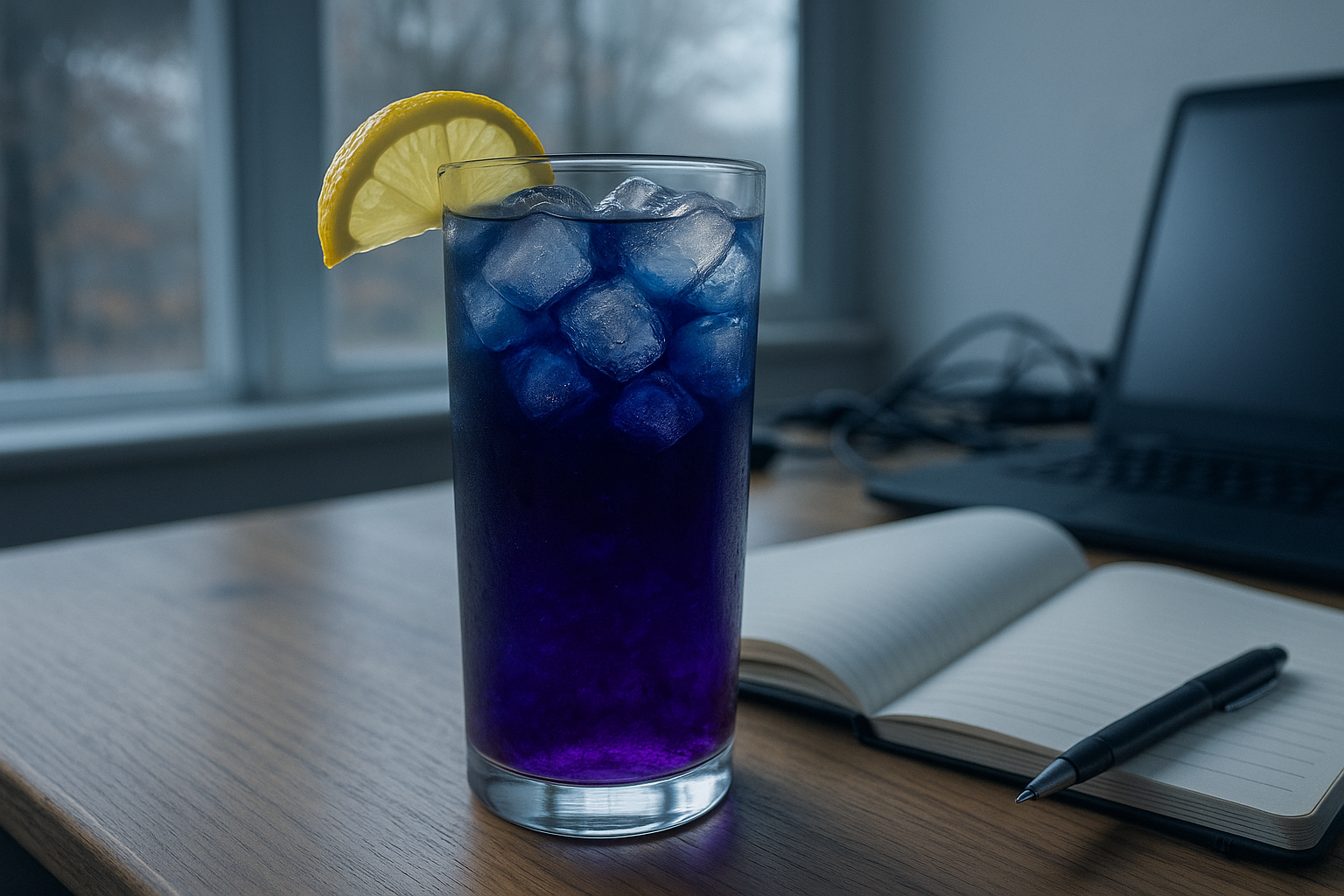
Herbal tea, as a rule, has none. Chamomile, hibiscus, rooibos, peppermint, dried fruit. None of those plants make caffeine. That's exactly why herbal is the go-to for evenings, for kids, for anyone who wants flavor without the buzz.
Here's the catch worth knowing. A few herbal ingredients do carry caffeine. Yerba mate and green mate have a decent amount. Guayusa too. So if you see mate in a blend labeled herbal, that blend is not caffeine-free. Read the ingredients, not just the category.
A real example from our own shelf. Our Teaña Colada is apple, hibiscus, rosehip, pineapple, and coconut. Pure herbal, zero caffeine, the kind of thing you can drink at nine at night on the porch. On the other end, Café Ou Thé is black tea, pu-erh, cocoa, green coffee, chamomile, and actual coffee. High caffeine on purpose. One of those is a wind-down. The other will clean the garage for you.
Taste and body: bold and brisk vs. bright and fruity
Black tea and herbal tea taste like two different food groups, because basically they are.
What black tea tastes like
Black tea is the full-bodied one. Malty, brisk, sometimes a little astringent, deep amber-brown in the cup. A straight breakfast-style black like our Irish Breakfast, which blends Assam from India and Ceylon from Sri Lanka, is strong enough to stand up to milk and a splash of sugar. That's why black tea is the backbone of English breakfast, of chai, and of good old Southern sweet tea.
Black tea also takes flavoring beautifully. Because the base is bold, you can layer on fruit, spice, or chocolate without losing the tea itself. Our Blood Orange pairs bold black leaves with sweet orange peel and blackberry leaf, and the black tea is still right there under the citrus. That body is the signature. You feel it on your tongue.
What herbal tea tastes like
Herbal tea is all over the map, and that's the fun of it. The flavor comes entirely from the plants in the blend, so no two are alike.
- Hibiscus-based blends brew a deep ruby red and taste tart, almost cranberry-like.
- Chamomile is soft, honeyed, faintly apple-like.
- Peppermint is sharp and cooling.
- Rooibos is naturally sweet, nutty, smooth, with no bitterness at all.
- Fruit blends taste like, well, the fruit. Dried apple, pineapple, berry, peach.
Here's an important thing about herbal tea. It almost never turns bitter or astringent the way true tea can. There's no tannin punch to overdo. That makes herbal forgiving, and it's a big reason herbal blends make killer iced tea in a hot Kentucky summer. You can oversteep most of them and still end up with something you want to drink.
How to brew each one (the numbers actually matter)
This is where people trip up, because the two categories want completely different treatment.
Brewing black tea
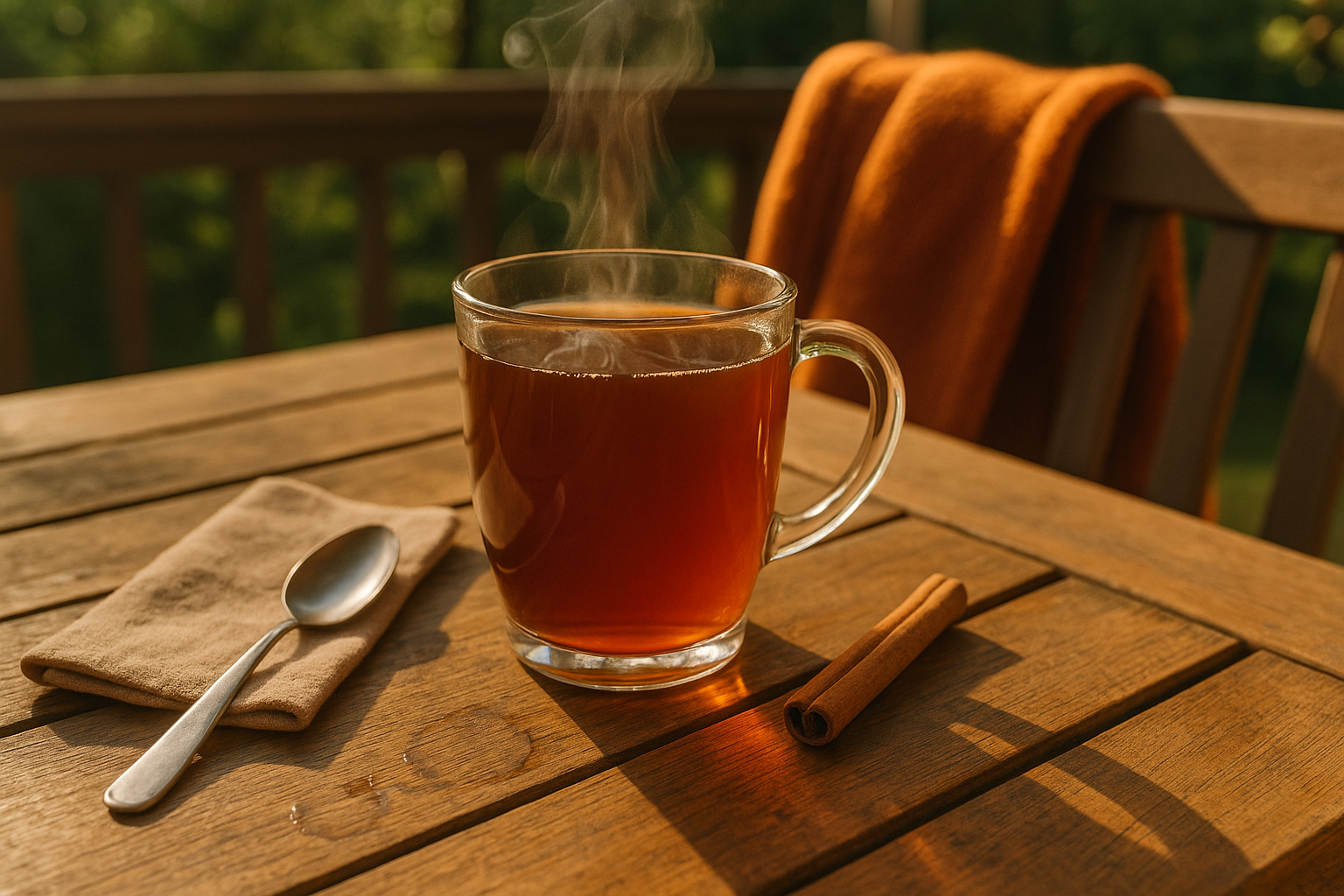
Black tea wants hot water. Full boil, right around 212 degrees. Too cool and you under-extract, and the cup tastes thin and sad. Steep it 3 to 5 minutes. Three minutes gives you a lighter, smoother cup. Five minutes pulls out more body and more caffeine, plus more astringency. So if your black tea is coming out harsh, pull the leaves earlier. Don't add more sugar.
A good starting ratio is about one heaping teaspoon of loose leaf per 8 ounces of water. Taste as you go. You can always steep longer next time.
Brewing herbal tea
Herbal tea also wants hot water, right at that 212 boil, same as black. But it wants more time. Herbal ingredients are tougher. Roots, bark, dried fruit chunks, and hibiscus petals take longer to give up their flavor than a delicate tea leaf. Steep herbal 5 to 7 minutes, and honestly many blends are happy to go longer. Since herbal doesn't turn bitter, there's almost no penalty for leaving it in.
Use a bit more leaf for herbal too, since those fruit and flower pieces are bulky and lightweight. A heaping tablespoon per cup isn't unreasonable for a chunky fruit blend.
Making iced tea with either one
It's a hot Louisville summer and nobody wants to stand over a steaming cup, so let's talk iced. Both styles make excellent iced tea, with two easy paths.
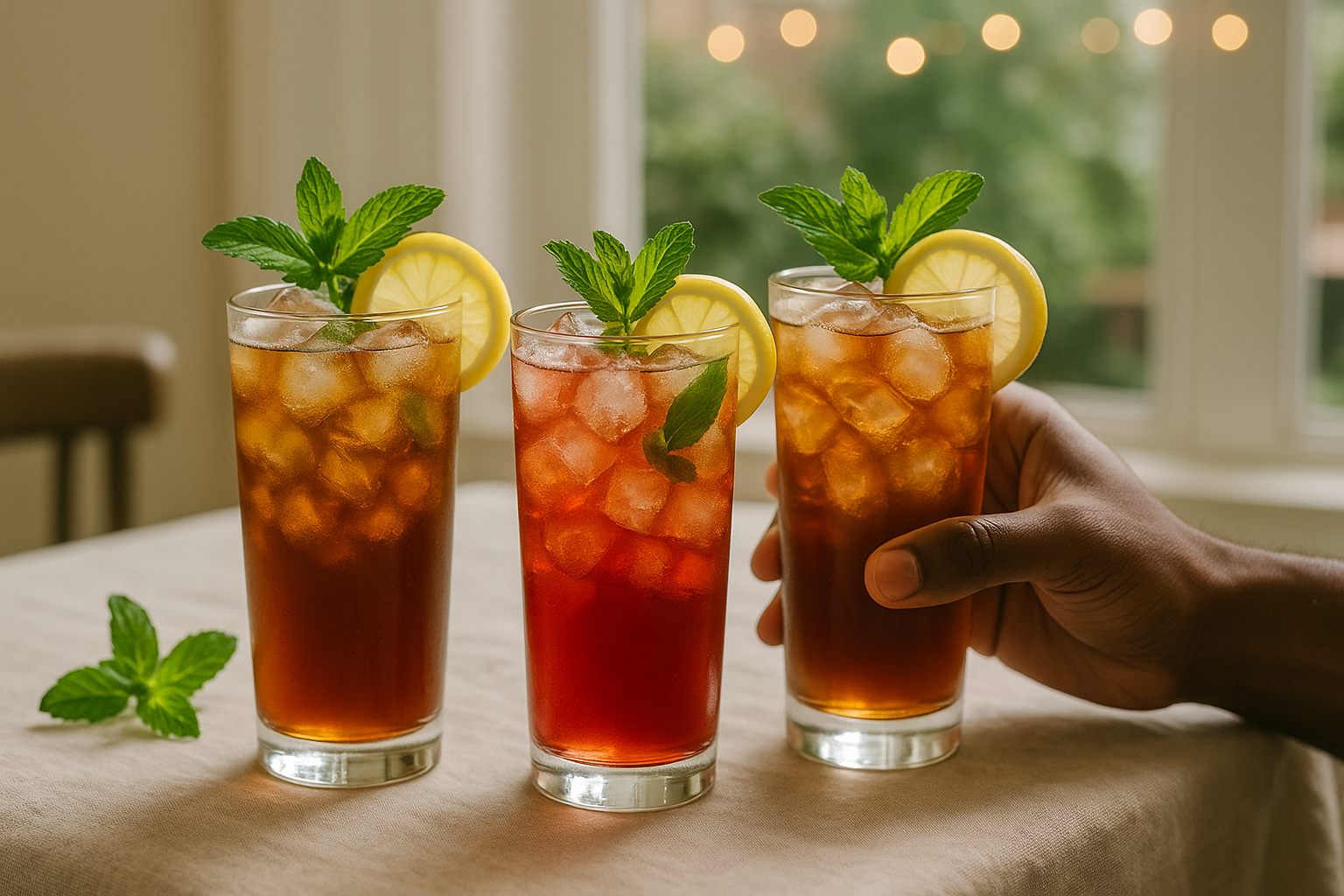
The quick way is hot-brew-over-ice. Brew it double strength, same temps and times as above but with twice the leaf, then pour the hot concentrate straight over a full glass of ice. The ice melts, dilutes it to normal strength, and chills it instantly. This is our go-to when we need a cold glass in five minutes.
The slow way is cold brew, and honestly it's our favorite for flavor. Toss loose leaf in a pitcher of cold water, stick it in the fridge, let it go 8 to 12 hours. Cold brew pulls out all the sweetness and almost none of the bitterness, so black tea comes out smooth and herbal comes out crazy fruity. We sell several blends in cold brew gallon bags for exactly this reason, including Mr. Tea's Southern Tea, which is just clean premium Sri Lankan black tea built to become proper Southern iced tea.
When to choose which
Let's make this practical. Here's how we actually decide.
Reach for black tea when
- You need energy. Mornings, the 2 p.m. slump, a long drive. The caffeine is the whole point.
- You want something to take milk and sugar. Chai, breakfast blends, London fog style.
- You want a bold base for food pairing. Black tea cuts through rich, fatty, or savory food.
- You're making classic sweet tea. That bright, brisk backbone is non-negotiable for real Southern iced tea.
Reach for herbal tea when
- It's evening and you want to wind down. No caffeine means no 3 a.m. ceiling-staring.
- You're serving kids, or someone sensitive to caffeine.
- You want bright, fruity flavor on a hot day. Our Peaches and Beaches, with apple, hibiscus, rosehip, peach, and chamomile, iced over a full glass of cubes, is basically summer in a cup.
- You want caffeine-free and still interesting. Herbal gives you way more flavor range than people expect.
And if you genuinely can't decide, blend them. A little black tea in with a fruity herbal gives you light caffeine and bright flavor. Some of the best cold brew we serve at events is exactly this kind of split.
A quick word on pairing with food
This comes up at nearly every wedding and brunch we cater, so here's the short version.
Black tea loves rich and savory. It stands up to bacon, to cheese, to a slice of chocolate cake, to barbecue. The body and tannin cut through fat and reset your palate. Chai next to something spiced is a classic for a reason.
Herbal tea plays nicer with light and sweet. A tart hibiscus blend next to fresh fruit, a floral blend next to a lemon bar, a coconut-pineapple blend next to anything you'd eat poolside. Because herbal is lower on tannin, it doesn't fight delicate flavors the way a heavy black can.
If you're planning a bridal shower or a backyard party and want help picking a lineup that covers both camps, that's literally what our mobile tea cart does. Take a look at our events page or reach out and we'll build a menu that keeps the coffee people and the no-caffeine people equally happy.
Frequently asked questions
Is herbal tea actually tea?
Not in the strict sense. Real tea comes from the Camellia sinensis plant, which gives us black, green, white, oolong, and pu-erh. Herbal tea is made from other plants like fruit, flowers, herbs, and roots, so sticklers call it a tisane. Everybody else just calls it herbal tea, and that's fine.
Does herbal tea have caffeine?
Almost always no. Chamomile, hibiscus, rooibos, peppermint, and dried fruit all have zero caffeine, which makes herbal great for evenings. The exceptions are blends with yerba mate, green mate, or guayusa, which do carry caffeine. Check the ingredient list if that matters to you.
Is black tea stronger than herbal tea?
Stronger in caffeine, yes. Black tea naturally has caffeine and sits on the higher end among true teas, while most herbal blends have none. Flavor intensity depends on the blend. A bold hibiscus-heavy herbal can taste just as punchy as a black tea, just without the buzz.
Can you make iced tea from herbal tea?
Absolutely, and it's one of our favorite summer moves. Herbal blends rarely turn bitter, so they cold-brew beautifully and oversteep without penalty. Steep hot and pour over ice for a fast glass, or cold brew in the fridge for 8 to 12 hours for the smoothest, fruitiest result.
Which should a coffee drinker try first?
Start with a bold black tea so the body and caffeine feel familiar. A breakfast blend or a chai bridges the gap nicely, and if you want coffee and tea in the same cup, a blend that includes real coffee beans makes the switch painless. Once black feels comfortable, branch out into herbal for your evenings.
thirsty yet?
Sip What We Write About
Every tea on the blog is brewed from the loose leaf we sell. Louisville pickup or shipped to your door.
Shop Loose Leaf TeaRyan Harris
Owner of The Real Mr. Tea, a Louisville loose leaf tea shop and mobile tea cart pouring at markets, weddings, and events across Kentucky. Every tea on this blog is one he blends, brews, and sells himself.
Get to know Mr. Tea